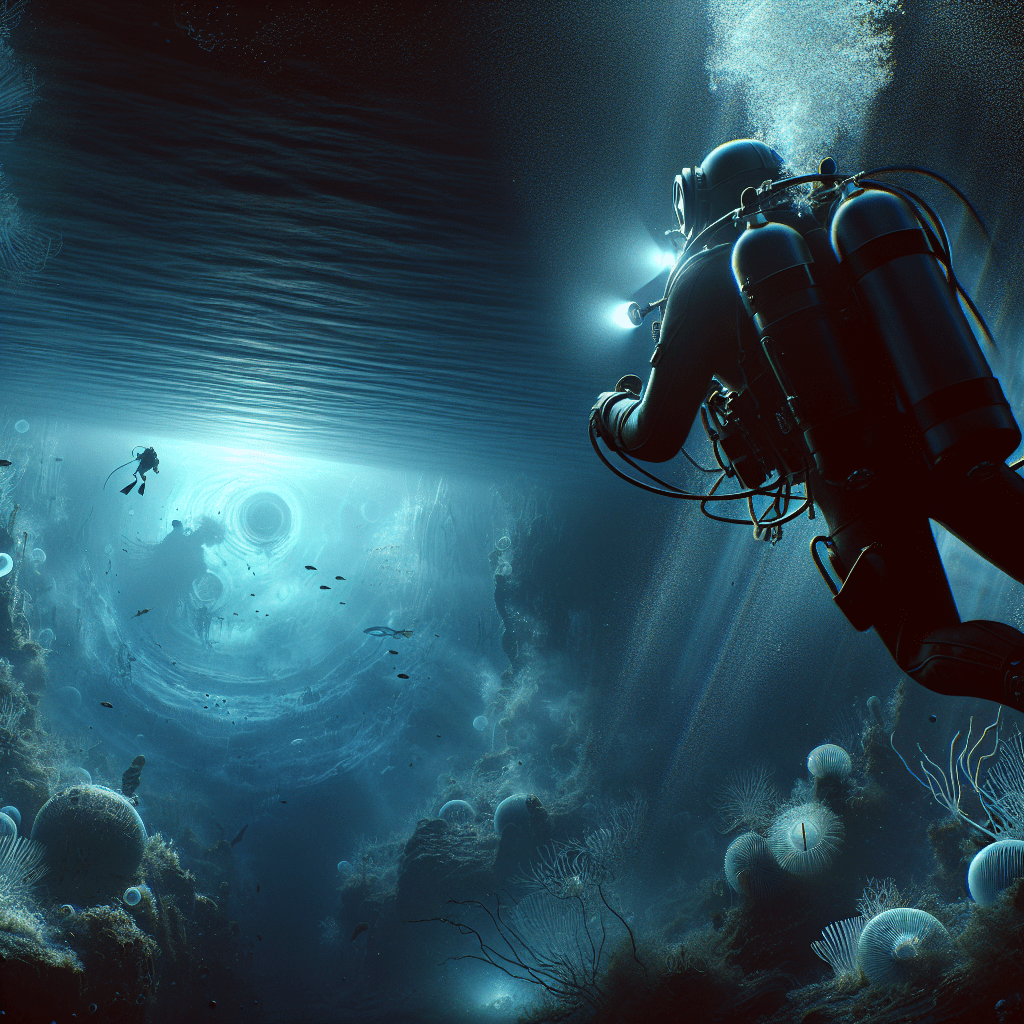
Exploring the depths of the ocean is an endeavor that captivates the imagination and challenges the limits of human technology and understanding. This mysterious and largely uncharted world covers more than 70% of the Earth’s surface, yet over 80% of it remains unexplored. The ocean depths are home to a plethora of unique ecosystems and species that have adapted to survive in extreme conditions, offering invaluable insights into biodiversity, climate change, and even the origins of life itself. As marine biologist Dr. Sylvia Earle once said, “The ocean is the blue heart of the planet. We should take care of our heart.”
One of the most significant challenges of ocean exploration is the immense pressure found at great depths. The crushing weight of the water above can exceed 8 tons per square inch, making it a formidable barrier for humans and machines alike. Technological advancements have led to the development of sophisticated submersibles and remotely operated vehicles (ROVs) that can withstand these pressures, allowing scientists to venture further into the abyss. As James Cameron, filmmaker and deep-sea explorer, famously stated, “The ocean is the last frontier on Earth. We have barely set foot there.”
The discovery of hydrothermal vents in the late 1970s revolutionized our understanding of life on Earth. These underwater geysers, found at great depths on the ocean floor, release mineral-rich water heated by volcanic activity. Around these vents, scientists found thriving ecosystems fueled not by sunlight but by chemosynthesis, a process that converts chemical energy into organic matter. “It is a reminder that life can thrive in the most extreme conditions,” said Dr. Robert Ballard, the oceanographer known for discovering the wreck of the Titanic. This discovery has implications not only for understanding the resilience of life on Earth but also for the potential existence of life on other planets.
Ocean exploration also contributes significantly to our understanding of climate change. The ocean plays a critical role in regulating the Earth’s climate by absorbing carbon dioxide and heat, yet it remains one of the least understood components of the climate system. Data collected from deep-sea exploration helps scientists develop more accurate climate models and assess the impacts of human activity on marine ecosystems. Dr. Jane Lubchenco, former administrator of the National Oceanic and Atmospheric Administration, emphasized, “Understanding the ocean’s role in climate is crucial for predicting future climate change.”
Finally, the exploration of the ocean depths can lead to the discovery of new resources and medical compounds. The unique organisms found in these environments often produce novel bioactive compounds that have potential applications in medicine, biotechnology, and industry. As marine biotechnologist Dr. Shirley Pomponi once remarked, “The depths of the ocean are a treasure trove of undiscovered resources that could benefit humanity in ways we cannot yet imagine.”
In summary, the exploration of the ocean depths is not just a quest for knowledge and discovery; it is an essential pursuit for understanding our planet and securing a sustainable future. The insights gained from this exploration have profound implications for science, medicine, and the environment, reinforcing the importance of continued investment and curiosity in this final frontier. As oceanographer Dr. Sylvia Earle poignantly put it, “With every drop of water you drink, every breath you take, you’re connected to the sea. No matter where on Earth you live.”





 Conversations with AI
Leave a comment