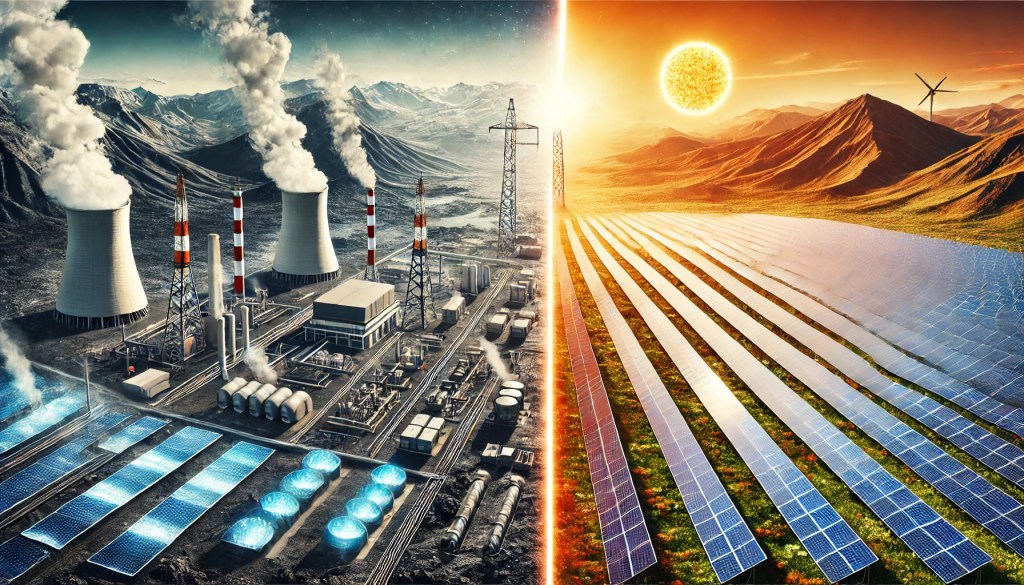
While geothermal energy is a promising and renewable resource, it cannot be harnessed everywhere in the world with the same efficiency or feasibility. Here’s why:
Factors Limiting Global Use of Geothermal Energy
- Geological Conditions:
- Geothermal energy relies on heat from beneath the Earth’s surface, and its availability depends heavily on geological conditions. Areas near tectonic plate boundaries, like Iceland, the Philippines, and parts of the western United States, have higher geothermal activity and are ideal for harnessing geothermal energy.
- In contrast, areas with stable geological formations, like large parts of Africa or the eastern United States, lack the high heat flow necessary for conventional geothermal systems.
- Depth and Temperature:
- High-temperature geothermal resources, which are needed for electricity generation, are usually found at depths where it can be costly or technically challenging to drill. If the heat is located too deep, it may not be economically viable to tap into.
- Low-temperature resources, useful for direct heating applications, are more widespread but are often insufficient for large-scale electricity generation.
- Technology and Infrastructure:
- The technology for deep geothermal drilling and the infrastructure needed to transport geothermal energy to populated areas are both expensive. Some regions lack the economic resources and technological capabilities to invest in these systems.
- Environmental and Social Considerations:
- Even in areas with geothermal potential, environmental and social concerns, such as land use conflicts, the release of harmful gases like hydrogen sulfide, and the impact on local ecosystems, can limit the deployment of geothermal projects.
Opportunities for Global Expansion
- Enhanced Geothermal Systems (EGS):
- EGS is a technology that could expand the use of geothermal energy beyond tectonic plate boundaries by artificially creating reservoirs in hot, dry rocks. This would allow for geothermal energy production in more regions, but the technology is still under development and costly.
- Direct Use Applications:
- Geothermal energy for direct heating, such as for homes, greenhouses, and industrial processes, can be more broadly utilized in places that don’t have the high temperatures needed for electricity generation.
- Small-Scale Geothermal Systems:
- Ground-source heat pumps, which use the relatively stable temperatures of the upper layer of the Earth to heat or cool buildings, can be used nearly anywhere in the world for heating and cooling purposes.
Conclusion
While geothermal energy holds great potential, its large-scale, global use is currently limited by geological, economic, and technological factors. However, with advances in technology like EGS and small-scale systems, its use could expand to more parts of the world, particularly for heating and cooling applications.
Environmental risks of geothermal?
Geothermal energy is generally considered a clean and renewable energy source, but like any energy system, it comes with environmental risks and challenges. Below are the key environmental risks associated with geothermal energy:
1. Surface Instability (Land Subsidence)
- Risk: Over-extraction of geothermal fluids from underground reservoirs can lead to land subsidence, which is the sinking or settling of the ground surface. This has occurred in some geothermal fields, notably in areas where large amounts of steam or water have been removed.
- Impact: Subsidence can damage infrastructure, such as roads and buildings, and lead to ecological disturbances in the area.
2. Water Usage and Depletion
- Risk: Some geothermal plants, especially those using traditional steam-based systems, consume significant amounts of water for cooling and reinjection purposes. If not managed properly, this could deplete local water resources, especially in arid regions.
- Impact: Excessive water usage can affect local ecosystems, agriculture, and human water supplies.
3. Release of Greenhouse Gases
- Risk: Geothermal reservoirs contain gases like carbon dioxide (CO₂), methane (CH₄), and hydrogen sulfide (H₂S), which can be released during drilling and operation. While geothermal emissions are far lower than fossil fuels, they are not entirely zero.
- Impact: These gases, particularly CO₂ and CH₄, contribute to greenhouse gas emissions, and hydrogen sulfide can cause unpleasant odors and pose health risks if concentrations are high.
4. Induced Seismicity (Earthquakes)
- Risk: The extraction and reinjection of geothermal fluids can sometimes trigger small earthquakes, known as induced seismicity. This is particularly relevant in areas using Enhanced Geothermal Systems (EGS), which involve fracturing underground rocks to create pathways for heat extraction.
- Impact: While most induced earthquakes are too small to cause significant damage, they can still cause concern in local communities, especially in regions not accustomed to seismic activity.
5. Thermal Pollution
- Risk: The discharge of geothermal fluids, which are often high in temperature, into surface water bodies can lead to thermal pollution, affecting aquatic ecosystems. If reinjection is not used, hot water or steam released into the environment can disrupt local temperatures.
- Impact: Elevated water temperatures can reduce oxygen levels in water, affecting fish and other aquatic life, and alter the ecosystem balance.
6. Chemical Pollution and Wastewater
- Risk: Geothermal fluids can contain dissolved toxic elements like arsenic, mercury, boron, and salts. Improper disposal of these fluids or accidental leaks can lead to contamination of soil and groundwater.
- Impact: Contamination from geothermal fluids can harm local ecosystems and pose health risks to humans and animals if it enters drinking water supplies.
7. Land Use and Habitat Disruption
- Risk: Geothermal plants require land for infrastructure, including wells, pipelines, and power plants. This can lead to habitat disruption, especially in ecologically sensitive areas.
- Impact: Wildlife habitats and biodiversity may be affected, especially if geothermal projects are located in remote or natural areas. Infrastructure development could also affect scenic landscapes.
8. Noise Pollution
- Risk: Geothermal drilling and operation can generate noise, particularly during exploration, drilling, and the operation of turbines and cooling towers.
- Impact: Noise pollution can affect local communities, disturb wildlife, and reduce the quality of life in affected areas.
Mitigation and Management Strategies
Despite these risks, geothermal energy projects often employ mitigation strategies to minimize environmental impacts:
- Reinjection of fluids to prevent depletion and subsidence.
- Closed-loop systems to capture gases and reduce emissions.
- Careful site selection to avoid sensitive ecosystems or populated areas.
- Monitoring and regulation of seismic activity, chemical emissions, and water usage.
Conclusion
While geothermal energy presents fewer environmental risks than fossil fuels, it is not without challenges. Effective management, regulation, and technological advances can mitigate many of these environmental risks, making geothermal a more sustainable energy option.
how can we mitigate the risks?
Mitigating the environmental risks associated with geothermal energy involves implementing a range of strategies, technologies, and practices. Here’s a detailed look at how each of the key risks can be minimized:
1. Land Subsidence
- Mitigation Strategy:
- Reinjection of Geothermal Fluids: One of the most effective methods for preventing land subsidence is the reinjection of extracted geothermal fluids back into the underground reservoirs. This helps maintain underground pressure and reduces the risk of ground subsidence.
- Sustainable Extraction Rates: Careful monitoring and regulation of the amount of geothermal fluid extracted can prevent over-extraction, which leads to subsidence. Ensuring sustainable extraction rates is crucial for long-term operation.
- Geological Monitoring: Regular monitoring of ground movement using satellite or ground-based measurements can detect early signs of subsidence, allowing corrective actions to be taken.
2. Water Usage and Depletion
- Mitigation Strategy:
- Closed-Loop Systems: These systems circulate geothermal fluids within a closed system, meaning that water is reused and not lost to evaporation or discharged into the environment. This greatly reduces water consumption.
- Use of Alternative Water Sources: In water-scarce areas, geothermal plants can use brackish water, treated wastewater, or other non-potable water sources instead of fresh water.
- Efficient Cooling Technologies: Dry cooling systems, which use air instead of water for cooling, can significantly reduce water usage in geothermal power plants, although they may reduce efficiency in very hot climates.
3. Greenhouse Gas Emissions
- Mitigation Strategy:
- Gas Capture and Re-Injection: Emissions of greenhouse gases such as CO₂ and CH₄ can be reduced by capturing these gases during the extraction process and reinjecting them back into the earth.
- Binary Cycle Power Plants: These types of plants use a closed-loop system where geothermal fluids are not exposed to the atmosphere, preventing the release of gases. Binary plants are considered almost emission-free.
- Monitoring and Regulation: Regular monitoring of gas emissions can help identify any leaks or issues, allowing for quick remediation.
4. Induced Seismicity (Earthquakes)
- Mitigation Strategy:
- Careful Site Selection: Geothermal plants should be located away from major fault lines and in areas where natural seismic activity is minimal. Comprehensive geological surveys can identify areas with lower seismic risk.
- Gradual Fluid Injection: The reinjection of fluids into geothermal reservoirs can be done gradually to reduce pressure changes in the subsurface, minimizing the likelihood of triggering seismic events.
- Seismic Monitoring: Continuous monitoring of seismic activity around geothermal sites can help detect minor tremors early, allowing operators to adjust fluid injection rates or halt operations if needed.
5. Thermal Pollution
- Mitigation Strategy:
- Reinjection of Heated Water: Instead of discharging hot water or steam into surface bodies of water, reinjecting the water into the geothermal reservoir helps prevent thermal pollution. This also aids in maintaining reservoir pressure.
- Cooling Systems: Implementing efficient cooling systems that reduce the temperature of the water before it is reinjected or released can further minimize thermal impacts on local water bodies.
- Use of Closed-Loop Systems: Closed-loop geothermal systems do not discharge water into the environment, thus eliminating the risk of thermal pollution.
6. Chemical Pollution and Wastewater
- Mitigation Strategy:
- Treatment of Geothermal Fluids: Geothermal fluids containing harmful chemicals such as arsenic, mercury, and boron should be treated before being reinjected or discharged. Treatment can involve removing or neutralizing toxic substances.
- Reinjection of Fluids: Reinjection of geothermal fluids back into the earth, rather than discharging them into surface waters, can prevent contamination of soil and groundwater.
- Closed-Loop Binary Systems: In binary cycle plants, geothermal fluids remain in a closed system, preventing the release of any chemicals into the environment.
7. Land Use and Habitat Disruption
- Mitigation Strategy:
- Careful Site Planning: Selecting sites that avoid sensitive ecosystems and using existing disturbed lands (e.g., agricultural or industrial areas) for geothermal development can reduce habitat loss.
- Minimizing Infrastructure Footprint: Geothermal power plants can have a relatively small land footprint compared to other energy sources. Designing compact, efficient plants and reducing the number of access roads and infrastructure can help limit land disruption.
- Ecosystem Restoration: After construction, restoring affected land to its natural state can help mitigate long-term habitat disruption.
8. Noise Pollution
- Mitigation Strategy:
- Soundproofing Equipment: Enclosures for noisy equipment like turbines, compressors, and cooling towers can reduce noise pollution. This also applies to the use of noise barriers around the site.
- Limiting Drilling Hours: Drilling activities, which can be particularly noisy, can be limited to daylight hours or specific times when they will cause less disruption to local communities or wildlife.
- Advanced Drilling Technologies: New drilling technologies can reduce the duration and intensity of noise generated during the exploration and development phases.
9. Community Engagement and Regulatory Compliance
- Mitigation Strategy:
- Community Involvement: Engaging with local communities early in the project development process helps address concerns related to environmental impacts, land use, and noise. Community support is critical for project success.
- Strict Environmental Regulations: Ensuring that geothermal projects adhere to strict environmental regulations and best practices can help mitigate potential impacts. Continuous environmental monitoring and compliance with regulations help to ensure safe and sustainable operations.
Conclusion
While geothermal energy has inherent environmental risks, these can be significantly reduced through careful planning, advanced technologies, and adherence to best practices. By employing methods such as fluid re-injection, closed-loop systems, sustainable extraction rates, and ongoing environmental monitoring, geothermal energy can be a low-impact, renewable resource for power generation and heating.
Geothermal vs solar energy?
Geothermal and solar energy are both renewable energy sources, but they differ in several ways, including how they are harnessed, their efficiency, environmental impact, and suitability for various locations. Here’s a comparison of geothermal and solar energy across different dimensions:
1. Energy Source and Technology
- Geothermal Energy:
- Source: Geothermal energy is derived from the Earth’s internal heat, which can be accessed by drilling into underground reservoirs of hot water or steam.
- Technology: Geothermal power plants typically use either steam or hot water to drive turbines and generate electricity. It can also be used directly for heating through geothermal heat pumps (ground-source heat pumps).
- Types of Systems:
- Electricity Generation: High-temperature geothermal resources are required to generate electricity.
- Direct Use: Geothermal heat can be used for heating buildings, greenhouses, or industrial processes.
- Geothermal Heat Pumps: Use the constant temperature of the ground near the surface for heating and cooling.
- Solar Energy:
- Source: Solar energy is derived from the sun’s radiation, which can be converted into electricity or heat.
- Technology: Solar power can be harnessed through two main technologies:
- Photovoltaic (PV) Panels: Convert sunlight directly into electricity using semiconductor materials.
- Concentrated Solar Power (CSP): Uses mirrors or lenses to concentrate sunlight and produce heat, which is then used to generate electricity via steam turbines.
- Solar Thermal Systems: Capture sunlight to directly heat air or water for residential and industrial applications.
2. Availability and Location Dependence
- Geothermal Energy:
- Dependence on Location: Geothermal energy is geographically dependent, as it requires suitable geological conditions. It is most effective in areas with high geothermal activity, such as near tectonic plate boundaries or volcanic regions (e.g., Iceland, California, the Philippines). In most areas, it is more suitable for direct heating than electricity generation.
- 24/7 Availability: Geothermal energy can provide continuous, reliable power 24/7, regardless of weather or time of day, making it a baseload energy source.
- Solar Energy:
- Widely Available: Solar energy can be harnessed almost anywhere on the planet, as long as sunlight is available. The efficiency of solar energy, however, depends on factors like geographic location, time of year, and weather conditions. It is more effective in regions with high sunlight exposure, such as deserts and equatorial regions.
- Intermittent: Solar energy is intermittent, as it is only available during daylight hours and is affected by weather conditions (e.g., cloud cover, storms). Energy storage systems (batteries) or grid connections are required to ensure consistent energy supply.
3. Energy Efficiency
- Geothermal Energy:
- High Efficiency: Geothermal power plants have a higher capacity factor (around 70-90%) compared to solar energy, meaning they can produce more electricity relative to their maximum capacity over time. Direct-use geothermal applications, such as heating, are also highly efficient.
- Constant Output: Since geothermal systems can operate continuously, their overall efficiency is very high, especially for heating and electricity generation in areas with suitable resources.
- Solar Energy:
- Variable Efficiency: Solar PV panels typically have efficiencies ranging from 15% to 22%. Solar CSP plants are more efficient but require large areas and direct sunlight to operate effectively.
- Lower Capacity Factor: Solar energy has a lower capacity factor (15-30%) due to its intermittent nature. However, advancements in solar panel technology and energy storage are improving this.
4. Environmental Impact
- Geothermal Energy:
- Lower Emissions: Geothermal energy has low greenhouse gas emissions compared to fossil fuels, but it is not completely emissions-free. Geothermal plants can release small amounts of greenhouse gases such as carbon dioxide (CO₂), methane (CH₄), and hydrogen sulfide (H₂S). Mitigation measures can minimize these emissions.
- Potential Risks: Risks include land subsidence, induced seismicity (earthquakes), and the potential release of harmful chemicals from geothermal fluids (e.g., arsenic, mercury). These risks can be managed with proper technology and monitoring.
- Solar Energy:
- Minimal Emissions: Solar energy is virtually emissions-free during operation. Manufacturing solar panels involves some emissions, primarily from the energy used in the production process, but this is offset over the lifespan of the panels.
- Environmental Concerns: Solar panels require significant land for large-scale installations, potentially impacting ecosystems and land use. The disposal of solar panels at the end of their life cycle can generate waste, although recycling programs are being developed.
5. Cost and Economic Factors
- Geothermal Energy:
- High Initial Costs: Geothermal power plants and direct-use systems have high upfront capital costs due to the need for drilling and exploration. However, once built, operating costs are relatively low, and the plants have long lifespans.
- Long Payback Period: Geothermal projects typically have longer payback periods because of the initial investment, but they can be highly cost-effective in the long term, especially in regions with good geothermal resources.
- Solar Energy:
- Declining Costs: The cost of solar PV technology has dropped significantly over the past decade, making it one of the most affordable renewable energy sources in many regions. Initial costs can vary depending on the size and type of installation.
- Shorter Payback Period: Solar PV systems often have shorter payback periods, particularly in sunny regions, and have low maintenance costs. Solar panels typically last 20-30 years.
6. Energy Applications
- Geothermal Energy:
- Electricity Generation: Geothermal energy is most effective for electricity generation in specific locations with high geothermal resources.
- Direct Heating: It is widely used for heating buildings, hot water, and industrial processes, especially in colder climates or regions with geothermal activity.
- Ground-Source Heat Pumps: These systems can be used anywhere to provide heating and cooling for residential or commercial buildings.
- Solar Energy:
- Electricity Generation: Solar energy is widely used for electricity generation through solar PV panels and CSP plants. It can be applied at both utility-scale and residential scales.
- Heating: Solar thermal systems are effective for heating water or air in residential and commercial applications. However, it is less efficient for heating large spaces compared to geothermal.
- Off-Grid Applications: Solar energy is well-suited for decentralized and off-grid applications, making it popular in rural or remote areas.
7. Scalability and Flexibility
- Geothermal Energy:
- Scalable in Suitable Regions: Geothermal is scalable in areas with geothermal resources but is limited geographically. It requires significant infrastructure and investment to scale up.
- Reliable Baseline Power: Geothermal is particularly valuable for providing stable, constant baseline power to the grid.
- Solar Energy:
- Highly Scalable: Solar power can be scaled from small rooftop installations to large utility-scale solar farms, making it highly flexible and adaptable.
- Decentralized: Solar panels can be installed in urban and rural settings, providing energy for individual homes or entire communities.
Conclusion
- Geothermal Energy is best suited for regions with high geothermal activity and can provide reliable, 24/7 baseload power. It is also highly efficient for heating applications. However, its deployment is limited to specific locations, and it requires higher initial investment.
- Solar Energy is more widely available and can be scaled easily, from small residential systems to large utility-scale farms. It has lower upfront costs and is more versatile, but its intermittent nature requires energy storage or backup systems to ensure a continuous power supply.
Choosing between geothermal and solar depends largely on geographic conditions, the intended use (electricity generation vs. heating), and the available investment for infrastructure. In many cases, a combination of both could offer the best solution for renewable energy generation.





 Conversations with AI
Leave a comment