*This article was created with the help of the help of the model DeepSeek-R1-Distill-Qwen-32B.
Introduction
On the night of 14 April 1912, the RMS Titanic, touted as the “unsinkable” ship, met a tragic end in the frigid waters of the North Atlantic. This disaster, one of the most infamous in maritime history, claimed over 1,500 lives and has since captivated the world. The Titanic’s story is not just one of loss but also of human resilience and the relentless pursuit of understanding our past. This blog post delves into the archaeological findings that have emerged from the Titanic’s wreckage, shedding light on the lives of those aboard and the lessons we can glean from this catastrophe.
Background and Context
The Titanic was built by the Harland and Wolff shipyard in Belfast, Ireland, and was completed in 1912. It was the largest and most luxurious ship of its time, designed to offer unparalleled comfort and luxury to its passengers. The ship’s maiden voyage began on 10 April 1912, departing from Southampton, England, with stops in Cherbourg, France, and Cobh, Ireland, before heading to New York City.
Tragically, on the night of 14 April, the Titanic struck an iceberg, leading to its sinking just a few hours later. The disaster shocked the world, prompting a reevaluation of maritime safety standards. The wreck remained undiscovered until 1985 when marine biologist Robert Ballard, along with a team of researchers, located the Titanic using advanced sonar technology. Since then, numerous expeditions have been conducted, yielding a wealth of archaeological findings that have transformed our understanding of the ship and its passengers.
Main Discussion Points
The Discovery and Exploration of the Titanic
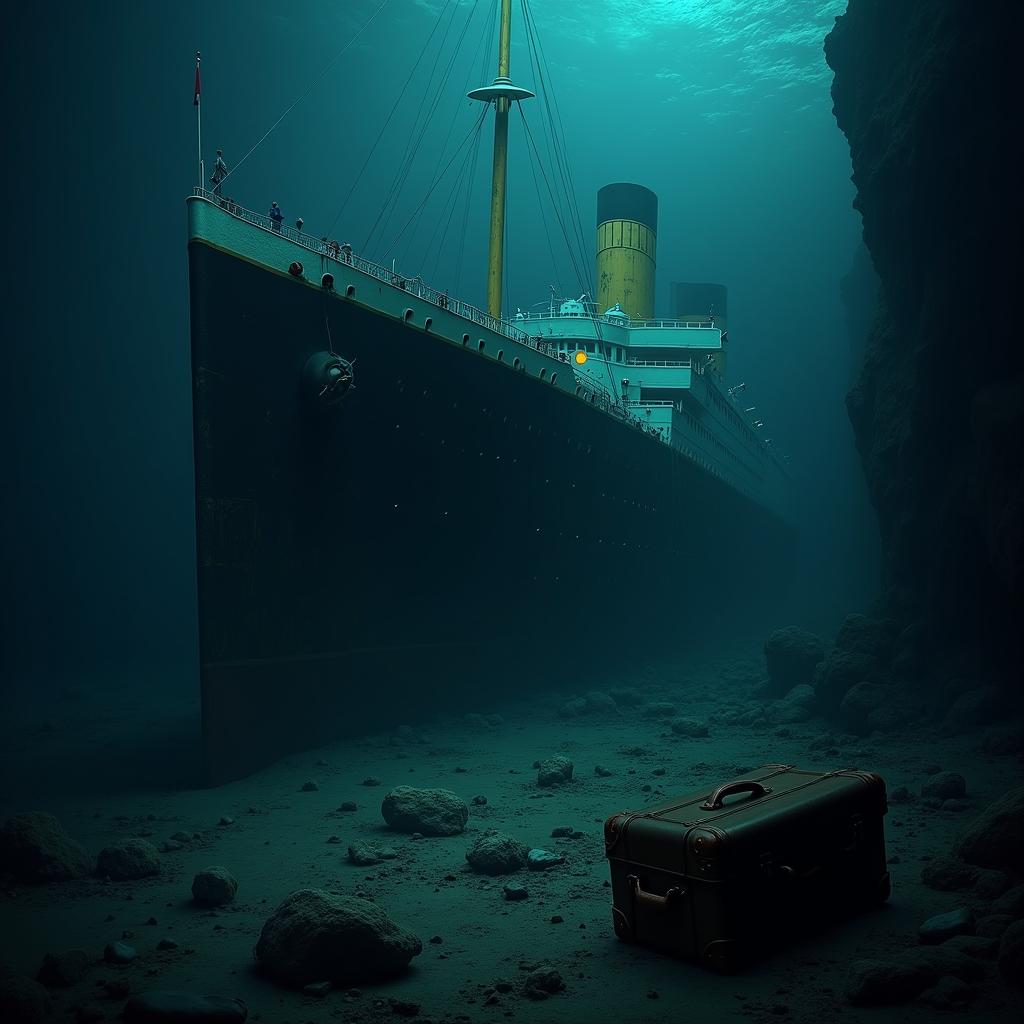
The discovery of the Titanic was a monumental achievement in underwater archaeology. Ballard’s team utilized cutting-edge technology, including remotely operated vehicles (ROVs), to explore the ship’s remains. The Titanic lies approximately 3,800 meters below the surface, a depth that posed significant challenges to early exploration efforts. However, advancements in technology have allowed researchers to capture high-resolution images and retrieve artifacts, providing a glimpse into the ship’s past.
Artifacts and Their Stories
Among the most fascinating findings are the personal belongings of the Titanic’s passengers and crew. These artifacts, such as jewelry, clothing, and personal effects, offer a poignant reminder of the lives lost. For instance, a pocket watch found in the debris was later identified as belonging to a young passenger, whose story was reconstructed based on the watch’s engravings. Such discoveries humanize the tragedy, allowing us to connect with the individuals who were aboard.
The artifacts also reveal insights into the social dynamics of the time. Items like fine china and ornate fixtures from the ship’s first-class sections contrast sharply with the simpler belongings found in steerage, highlighting the class divisions that were prevalent during the early 20th century.
Structural Remains and Ship Design
The structural remains of the Titanic provide valuable information about the ship’s design and construction. Examination of the hull has revealed weaknesses in the ship’s design, such as the insufficient number of watertight compartments and the use of substandard materials. These findings have led to improvements in maritime safety, including the implementation of stricter building codes and the mandatory presence of lifeboats for all passengers.
The wreckage also offers a unique opportunity to study the effects of deep-sea corrosion on metal structures. Researchers have observed that the Titanic’s steel hull is deteriorating at an alarming rate due to microbial activity and rusting. This has sparked debates about the preservation of underwater historical sites and the ethical considerations of salvage operations.
The Cultural Impact of the Titanic
The Titanic’s legacy extends beyond its archaeological significance, influencing popular culture and historical memory. The ship has been the subject of numerous books, films, and exhibitions, cementing its place in the public imagination. The discovery of the wreck and subsequent archaeological findings have fueled this fascination, providing a tangible link to the past.
The Titanic’s story also serves as a cautionary tale about human hubris and the importance of safety measures. The disaster underscored the need for improved regulations in the maritime industry, leading to the establishment of the International Maritime Organization (IMO) and the development of modern safety protocols.
Analysis and Implications
The archaeological findings from the Titanic have profound implications for our understanding of history and technology. They highlight the importance of preserving underwater cultural heritage and the need for sustainable practices in marine archaeology. The ongoing deterioration of the Titanic’s remains raises ethical questions about whether to salvage artifacts or leave them undisturbed as a memorial.
Moreover, the Titanic’s story continues to resonate with people of all ages, offering lessons in resilience, responsibility, and the consequences of overconfidence. As we reflect on the disaster, we are reminded of the fragility of life and the enduring human spirit.
Conclusion
The archaeological findings from the Titanic have unveiled a treasure trove of information about the ship, its passengers, and the era in which it sailed. These discoveries not only enhance our historical understanding but also serve as a poignant reminder of the lives lost and the lessons learned. As we continue to explore and study the Titanic, we gain insights into our past that inform our present and future.
In contemplating the Titanic’s legacy, we are left with a profound question: How can we ensure that the lessons of the past are not forgotten, and that future generations are equipped to navigate the challenges of progress and innovation responsibly?
References and Further Reading
- Ballard, R. D. (1987). The Discovery of the Titanic. Warner Books.
- Eaton, J. P., & Haas, C. A. (1994). Titanic: Destination Disaster: The Story of a Ship and Her People. W.W. Norton & Company.
- Halpern, S. (2015). A Night to Remember: The Classic Account of the Titanic Disaster. Harper Perennial.
- Lord, W. (1987). The Night Lives On: Remembering the Titanic. Holt Paperbacks.
- RMS Titanic, Inc. (2020). Exploring the Titanic: A Photographic Journey. Retrieved from www.rms-titanic.com
- National Geographic. (2012). Titanic: 100 Years Later. Retrieved from www.nationalgeographic.com
- Titanic Historical Society. (2020). The Titanic: A Comprehensive History. Retrieved from www.titanic1.org
These references provide a deeper dive into the Titanic’s history, the discovery of its wreck, and the ongoing efforts to preserve its legacy. For those interested in learning more, these resources offer a wealth of information and insights.





 Conversations with AI
Leave a comment