Introduction
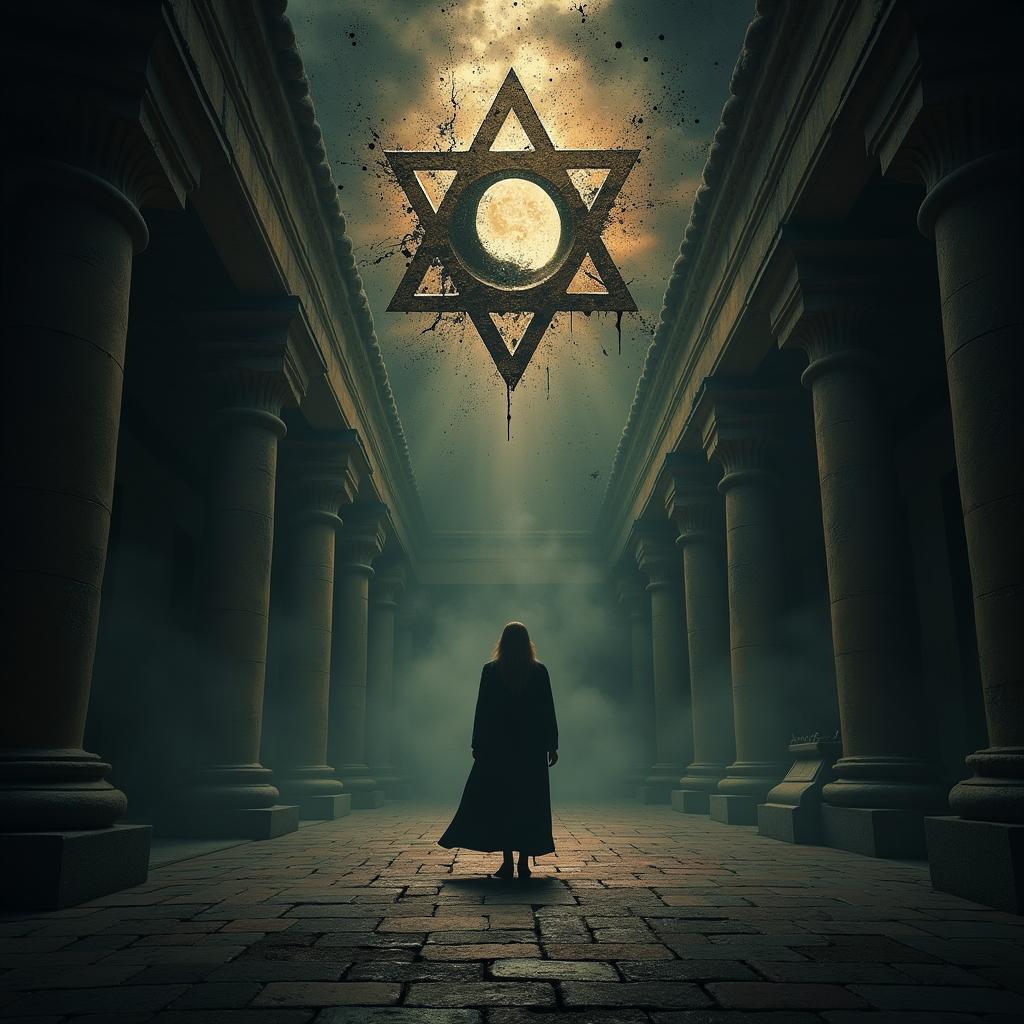
In the shadows of history and the corners of the internet, whispers of secret societies and their alleged control over the world have captivated the imagination of many. These conspiracy theories, often shrouded in mystery, propose that powerful groups manipulate events from behind the scenes. This blog post delves into these theories, examining their origins, key figures, and the impact they have on society. Understanding these theories is crucial as they influence beliefs and shape perceptions of power and control.
Background and Context
Secret societies have existed for centuries, with roots tracing back to ancient times. The Pythagorean Brotherhood, active around 500 BCE, was a philosophical society that valued knowledge and secrecy. Similarly, the Druids of ancient Britain were known for their mysterious rituals and exclusive membership. Moving into the Middle Ages, the Knights Templar, a Crusader military order, gained notoriety for their wealth and influence, which led to their eventual suppression in the 14th century.
The Renaissance period saw the rise of Freemasonry, a fraternal organisation that emerged in the early 18th century. Freemasonry’s influence extended beyond social bonding, impacting political and cultural landscapes. The Illuminati, founded in 1776 in Bavaria, aimed to promote Enlightenment ideals but was later disbanded by the government, sparking theories of a clandestine network.
Main Discussion Points
The Illuminati
The Illuminati, often portrayed as a shadowy group controlling world events, originated as a Enlightenment-era society. Despite being disbanded in 1785, theories suggest its legacy lives on, influencing global politics. Critics argue that the Illuminati’s supposed influence is a misinterpretation of historical events, with no concrete evidence supporting their continued existence.
Freemasonry
Freemasonry, with its roots in medieval guilds, has been a subject of fascination. The organisation’s symbols and rituals have been interpreted by some as signs of a secret society plotting world domination. However, many see Freemasonry as a benign fraternal group promoting brotherhood and self-improvement. Its historical figures, like George Washington, highlight its role in shaping early American politics.
The New World Order
The New World Order conspiracy posits a global government controlled by powerful elites. Figures like Henry Kissinger and George Soros are often cited as key players. This theory gained traction during the Cold War and continues to influence political discourse. Critics argue that such theories oversimplify complex geopolitical dynamics and foster mistrust in international cooperation.
QAnon
In the digital age, QAnon has emerged as a significant conspiracy theory, alleging a global elite engaged in paedophilia and mind control. Originating from anonymous postings, QAnon has gained traction through social media, influencing political movements and leading to real-world consequences, including violence and polarization. Its impact on mental health and societal trust underscores the dangers of such theories.
Analysis and Implications
Conspiracy theories about secret societies have profound societal impacts. They can foster critical thinking by encouraging questioning of authority but also risk spreading misinformation and fear. The digital age amplifies these theories, making them more accessible and influential. Balancing skepticism with evidence-based analysis is crucial to navigate this complex landscape.
Conclusion
In exploring conspiracy theories surrounding secret societies, we uncover a blend of history, belief, and speculation. While these theories can stimulate critical thinking, they also pose risks when unfounded claims take hold. As we reflect on their impact, it’s essential to approach such ideas with a discerning mind. The question remains: do secret societies serve as a force for good or ill? This exploration invites further inquiry into the balance between secrecy and transparency in shaping our world.
References and Further Reading
- Mark Dice, “The Truth About Secret Societies” (2012)
- Peter Knight, “Conspiracy Theories in American History” (2003)
- Adam Gopnik, “The New Yorker” (2019)
- BBC History, “The Knights Templar” (2011)
- The Guardian, “QAnon and the New Age of Conspiracy” (2020)
- Alex Jones, “Infowars” (2021)
- The Atlantic, “The Perils of Conspiracy Thinking” (2019)
- The New York Times, “The Illuminati: Fact and Fiction” (2018)
- The Washington Post, “Freemasonry and Its Influence” (2017)
- The Independent, “The New World Order Conspiracy” (2019)
This exploration invites readers to delve deeper into the fascinating and complex world of secret societies and their enduring impact on our understanding of power and control.




 Conversations with AI
Leave a comment