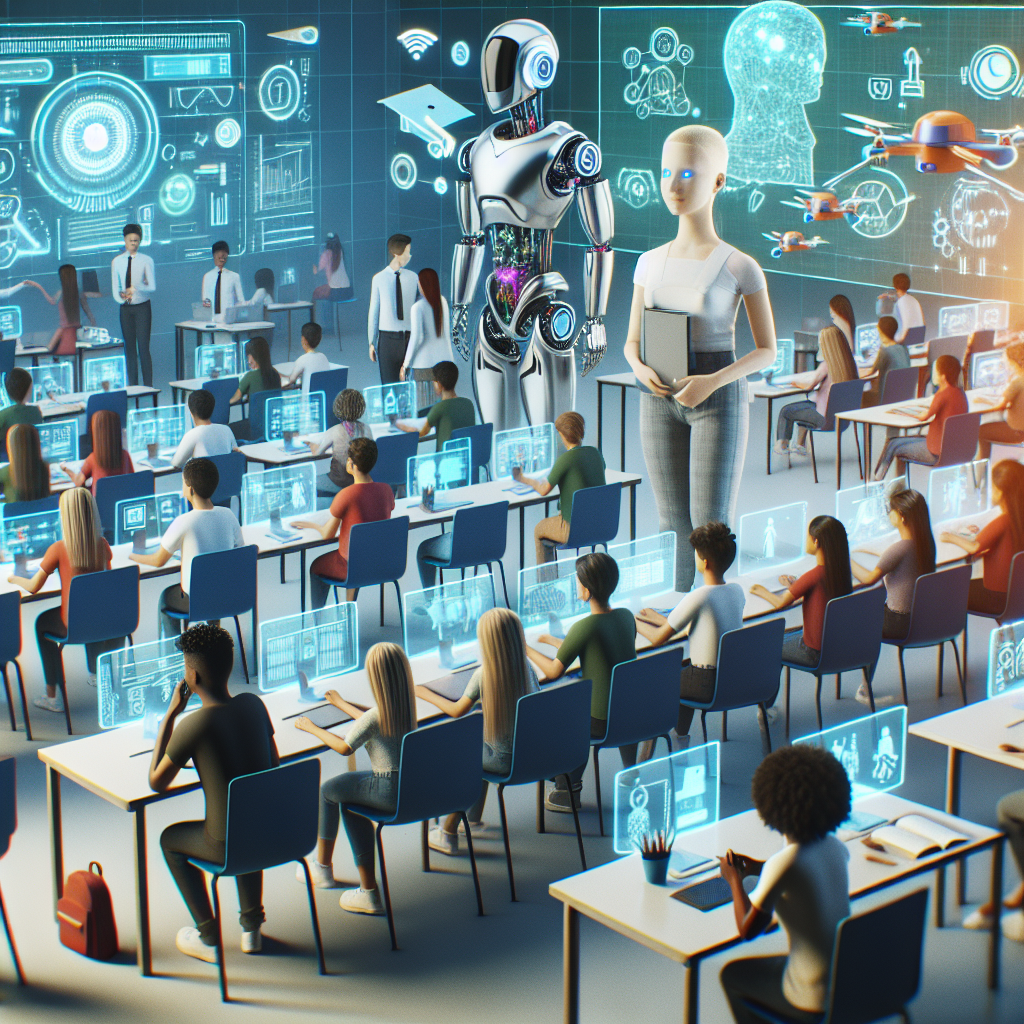
*experimenting with temperature of chatGPTs response. ‘However’ appears twice as the starter for paragraphs, however :o)
The integration of AI-powered language models into modern education has the potential to revolutionize the way we approach teaching and learning. These models provide personalized learning experiences, cater to diverse learning styles, and offer resources that were previously unimaginable. By leveraging AI, educators can present content in ways that resonate with students, making education more engaging and effective. As Sal Khan, educator and founder of Khan Academy, once said, “AI has the potential to personalize education in ways we’ve never seen before, creating learning experiences tailored to each student’s unique needs.”
One of the most significant impacts of AI-powered language models is their ability to offer individualized learning experiences. Traditionally, classrooms have adopted a one-size-fits-all approach, which can leave some students behind. However, with AI, educators can now identify the strengths and weaknesses of each student and tailor lessons accordingly. This adaptability ensures that students grasp concepts at their own pace, promoting a more profound understanding of the material. As Andreas Schleicher, Director for Education and Skills at the OECD, notes, “The true power of AI in education lies in its ability to adapt to the individual learner, providing just-in-time feedback and support.”
Moreover, AI language models can support teachers by automating routine tasks, such as grading and administrative work, freeing up valuable time that can be redirected towards more meaningful interactions with students. This shift allows educators to focus on nurturing creativity, critical thinking, and problem-solving skills, which are essential for success in the modern world. “AI can handle the mundane tasks, allowing teachers to focus on what they do best: inspiring and engaging students,” says Eric Klopfer, Professor of Learning Sciences and Director of the Scheller Teacher Education Program at MIT.
AI-powered language models also facilitate access to vast amounts of information, enabling students to conduct research and explore topics in depth. These tools can guide students in their inquiries, helping them to develop a more comprehensive understanding of subject matter. This access to information democratizes education, breaking down barriers that may have previously prevented students from accessing high-quality learning resources. As Joi Ito, former Director of the MIT Media Lab, stated, “AI is a tool that can help level the playing field, providing students everywhere with access to the same wealth of knowledge.”
However, the integration of AI in education is not without its challenges. Concerns about data privacy, the digital divide, and the potential loss of human touch in teaching must be addressed. Ensuring equitable access to AI technologies is crucial to prevent further widening of educational disparities. As technology ethicist Tristan Harris emphasizes, “We must be vigilant about how we integrate AI into education, ensuring that it enhances rather than detracts from the human experience.”
In conclusion, AI-powered language models have a transformative impact on modern education, offering personalised learning experiences, supporting teachers, and democratising access to information. While challenges remain, the potential benefits of AI in education are immense, promising a future where learning is more inclusive, engaging, and effective. As we navigate this new educational landscape, it is essential to remain mindful of the ethical considerations and strive for a system that benefits all students.





 Conversations with AI
Leave a comment